
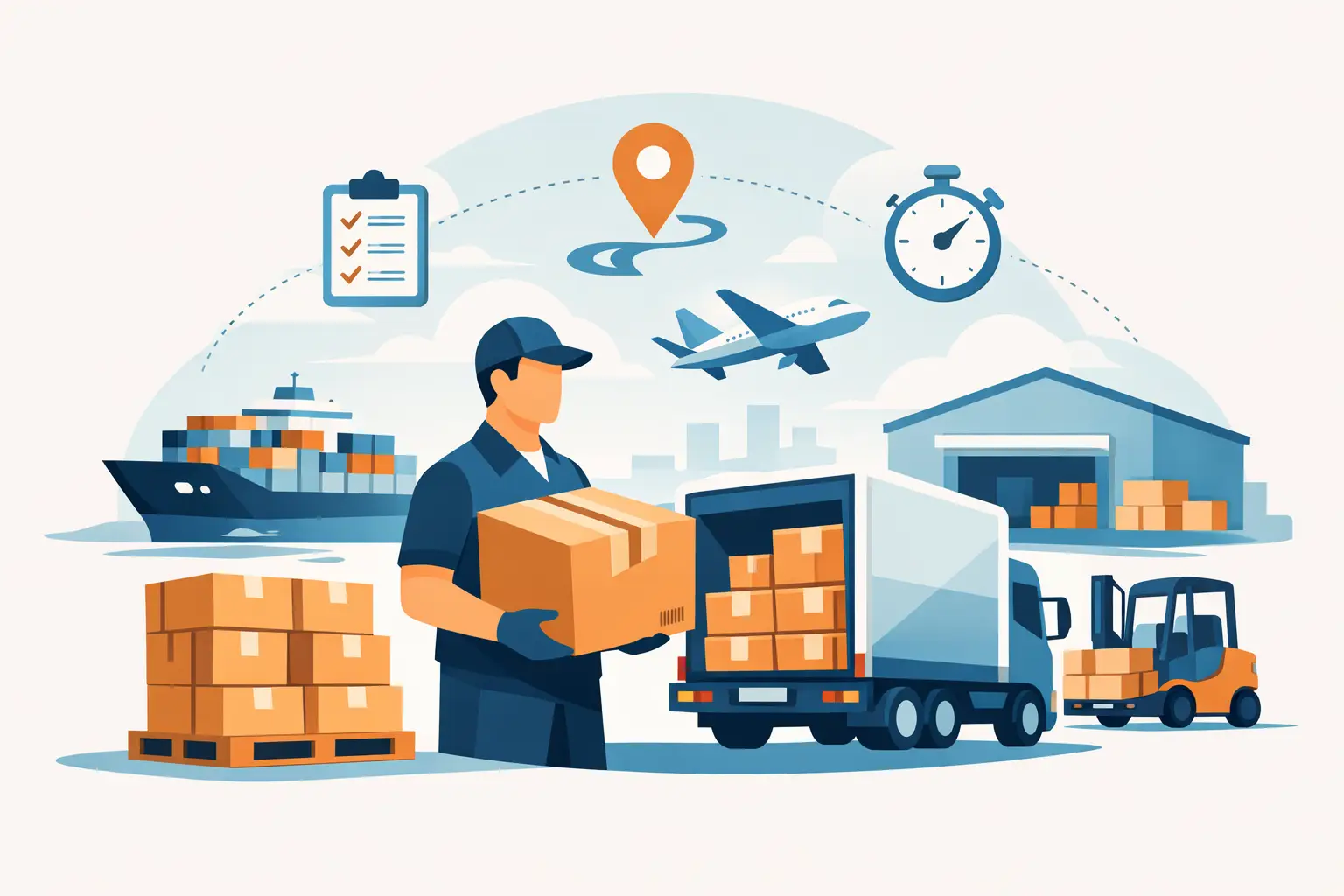
How Bulk Orders Ship and What to Expect

If you are placing a larger purchase, the first question is usually not what carrier gets used. It is how bulk orders ship without turning into a mess of delays, split boxes, damaged inventory, or confusing tracking. The short version is simple: bulk shipments move through more checkpoints than single-item orders, and the bigger the order, the more planning matters.

That matters whether you are buying for resale, stocking up for a season, supplying a storefront, or just trying to avoid the stop-and-start rhythm of small repeat purchases. A bulk order can move fast, but only when the shipper has the right packaging, labels, routing, and warehouse process behind it. When any one of those pieces is weak, bigger orders expose the problem fast.

How bulk orders ship in real life

Most people imagine one giant box going from a warehouse straight to a door. Sometimes that happens, but often it does not. Bulk orders ship in one of three common ways: as multiple parcel packages, as palletized freight, or as a hybrid where part of the order goes by standard parcel and the rest goes by freight.

Parcel shipping is common when products are compact, durable, and easy to break into separate cartons. That can be faster in some situations because it uses the same networks carriers already run every day. The trade-off is that one order may generate several tracking numbers, and those cartons do not always arrive together.

Freight shipping becomes more likely when the order is heavy, oversized, or better protected on a pallet. This is common for wholesale inventory, dense packaged goods, or anything where repeated handling would increase the risk of damage. Freight can be more stable for large volumes, but it usually involves appointments, dock coordination, and less flexibility than normal parcel delivery.

Hybrid shipping sits in the middle. A seller may send high-value or fragile units one way and standard stock another way. This is not unusual. It is often the cheapest practical option when an order contains mixed product sizes or weights.

What decides the shipping method

Weight is the obvious factor, but it is not the only one. Dimensions matter just as much. Carriers charge based on size as well as actual weight, so lightweight but bulky goods can become expensive fast. Order value also matters because higher-value shipments may need stronger packaging, signature requirements, or insurance treatment that changes the whole process.

Distance plays a bigger role than buyers think. A large shipment going two states over may stay in parcel lanes and move quickly. The same shipment going coast to coast might be shifted into freight or split across fulfillment points. Inventory location matters too. If all units are not sitting in one warehouse, the order may ship in waves.

There is also the question of destination. A commercial address with receiving staff is easier than a rural home with limited access. Apartments, gated properties, schools, military addresses, and businesses with narrow delivery windows all create different handling rules. That does not mean shipping stops. It means planning gets tighter.

Why bulk orders are often split

Buyers sometimes see two or three tracking numbers and assume something went wrong. Usually, splitting is a control move, not a mistake. When a shipment is too heavy for one box, too fragile to stack together, or too valuable to bundle in a single carton, splitting reduces risk.

It also helps with carrier limits. Every parcel carrier has thresholds for weight, dimensions, and surcharge triggers. Once a box gets too large or too heavy, costs rise and handling quality often drops. Breaking the order into cleaner cartons can protect the goods and keep the shipment moving through automated sort systems instead of manual exception channels.

There is a downside. Split orders can create staggered delivery. One carton may land today, another tomorrow, and one more after a weekend delay. That feels sloppy if you are not expecting it, but from the shipping side it can be the smarter call.

Packaging is not a small detail

For bulk shipping, packaging is part of the logistics strategy. A seller that handles high-volume fulfillment well is not just throwing more tape on a box. They are matching carton strength, void fill, product orientation, and label placement to the shipment type.

Corrugated box quality matters. Inner dividers matter. Pallet wrap tension matters. Even weight distribution matters. If all the heavy product is stacked to one side, that carton is more likely to burst, crush, or get flagged in transit. The same goes for pallets that are poorly balanced or stacked too high.

This is where experienced fulfillment teams separate themselves from sellers that are fine with small orders but weak at scale. A warehouse can look efficient at ten orders a day and fall apart at one hundred. Bulk shipping exposes that fast.

Tracking, scans, and the quiet gap buyers hate

One of the most misunderstood parts of shipping is the scan gap. A label gets created, but there is no movement update for a while. For bulk orders, that gap can be longer because the shipment may be waiting for pickup, linehaul transfer, pallet breakdown, or induction into a regional carrier network.

That does not automatically mean the shipment is stalled. It often means the physical package is moving before the system catches up. Freight is even more prone to this because milestone tracking is less granular than parcel tracking. You may see pickup, terminal arrival, linehaul departure, and delivery appointment, but not the blow-by-blow updates people expect from regular ecommerce orders.

The practical move is to judge tracking by pattern, not by panic. A quiet period followed by multiple updates is common. Repeated exception notices, address issues, or damage scans are the real warning signs.

Speed depends on more than the shipping option

Buyers like to focus on overnight, two-day, or express labels. That matters, but it is only one layer. Bulk orders ship on two clocks: processing time and transit time. Transit starts when the carrier has the shipment. Processing includes picking, packing, quality checks, carton building, paperwork, and staging.

For a large order, processing can take longer than the trip itself. That is not always bad. It can mean the warehouse is verifying counts and packing correctly instead of rushing out a sloppy shipment. The trade-off is that a premium shipping service cannot fix a fulfillment team that is behind, disorganized, or waiting on inventory.

This is why realistic expectations matter. Fast shipping is not just about a carrier promise. It is about whether the order was built right before it ever touched the carrier network.

Delivery risks change at larger volume

Small shipments usually have one main risk: delay. Bulk shipments have several. Damage risk increases because there is more mass moving through the network. Misroutes matter more because corrections take longer. Partial delivery creates confusion. If freight is involved, missed appointments can add storage fees or extra handling.

Weather, peak season congestion, and regional staffing issues also hit larger shipments harder. A lightweight parcel can sometimes get rerouted quickly. A palletized shipment has fewer easy workarounds. That does not make freight unreliable. It just means flexibility drops as shipment size rises.

Good shippers account for this upfront. They build in packaging tolerance, route awareness, and realistic delivery windows rather than promising miracles.

How to make a bulk shipment go smoother

If you are ordering in volume, clean details matter. Make sure the ship-to name, phone number, and address format are correct. If it is going to a business, include suite numbers, dock notes, or receiving hours. If access is difficult, say so early. The fewer assumptions built into the shipment, the fewer problems appear at the last mile.

It also helps to ask whether the order will ship in one piece or multiple cartons. That one question prevents a lot of confusion later. If timing matters, ask whether all items are in stock at the same location. A bigger order is only as fast as its slowest inventory segment.

For repeat buyers, consistency matters even more than speed. A seller that ships large orders the same way every time is easier to work with than one that occasionally ships fast and occasionally improvises. Predictability saves time, money, and headaches.

At a serious volume, shipping is not just a checkout step. It is part of the product experience. Buyers remember whether the order arrived complete, protected, and easy to receive. That is the real answer to how bulk orders ship – not just by truck or carrier, but by process. When the process is tight, big orders feel controlled instead of risky. When it is loose, every extra unit adds friction. If you are spending more, expect more from the way it moves.
Can Crypto Purchases Be Traced?

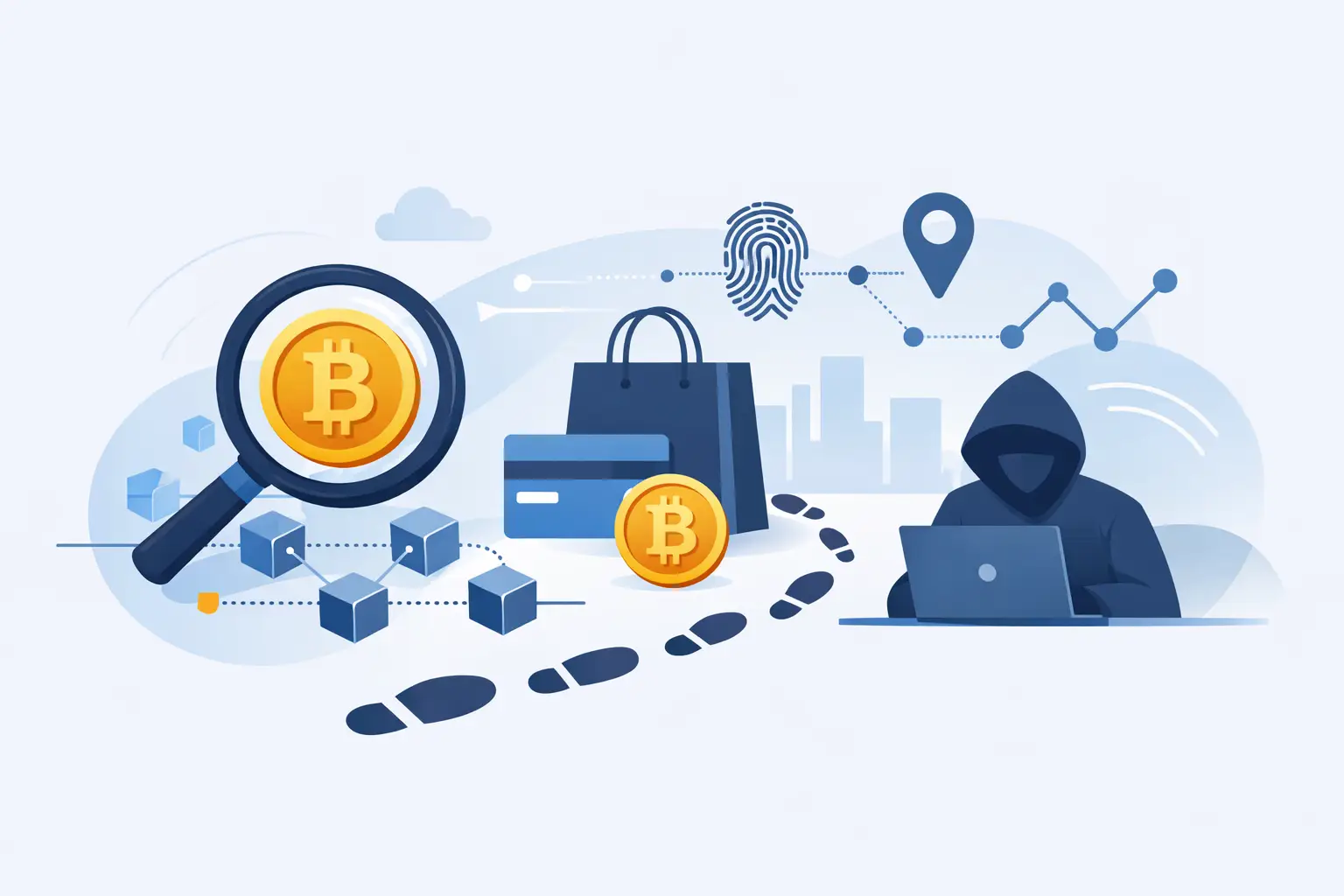
You send crypto, the order clears, and the first thought hits right after checkout – can crypto purchases be traced? That question matters more than most buyers realize, because crypto is not one thing. Some transactions are easy to follow on a public ledger. Others are harder to connect to a real person. The real answer is simple: yes, crypto purchases can often be traced, but whether they can be tied back to you depends on the coin, the wallet trail, and the mistakes made before and after payment.

Can crypto purchases be traced on the blockchain?

If you pay with a public blockchain asset like Bitcoin, every transaction is recorded permanently. That does not mean your full name appears on-chain, but it does mean wallet addresses, transfer amounts, timestamps, and movement between wallets are visible. Anyone with the transaction hash can follow the path.

That is where a lot of people get the wrong idea. They hear “crypto” and assume “untraceable.” In reality, Bitcoin and many other popular coins are better described as transparent by default and private only in limited ways. A wallet address is pseudonymous, not invisible.

If that address ever gets connected to your identity, the trail gets much easier to map. That connection can happen through an exchange account, a payment processor, a reused wallet, an email trail, or shipping details tied to a purchase. Once one piece of identity data touches the chain, the rest of the transaction history can start to look a lot less private.

Why people think crypto is anonymous

The confusion comes from the fact that blockchain wallets are not bank accounts with names printed on them. You can create a wallet without walking into a branch, showing ID, or filling out credit paperwork. That feels private compared with debit cards or PayPal.

But private is not the same as anonymous. Public ledgers create a permanent map of movement. Investigators, exchanges, analytics firms, and payment services can analyze wallet behavior, cluster addresses, and identify patterns. If funds move from a KYC exchange account to a personal wallet and then to a merchant wallet, there is already a trail to work with.

In other words, crypto can remove some of the obvious banking fingerprints, but it also creates a record that does not disappear. That trade-off is the part many buyers miss.

Where tracing usually happens

For most people, tracing does not begin with the blockchain alone. It begins at the points where crypto meets real-world identity.

The biggest exposure point is the exchange. If you bought crypto on a platform that required your legal name, ID, bank account, or selfie verification, that platform has a record of your purchase. If the same funds later move to a merchant, analysts can often follow the path. Even if the merchant never knows your real name, the transaction may still be linkable.

The second weak point is wallet reuse. If you keep sending payments from the same wallet, you create a pattern. Repeated use makes it easier to group transactions together and build a profile of your activity.

The third weak point is checkout data. If a purchase involves an email address, shipping name, phone number, delivery address, or IP logs, privacy depends on much more than the coin used. A buyer can focus on crypto and still expose themselves through the order flow.

Then there is behavior. Sending exact amounts from a freshly funded exchange wallet, transacting at predictable times, or moving funds through obvious paths can all make analysis easier. Tracing is often less about one magic tool and more about piecing together ordinary details.

Which cryptocurrencies are easier to trace?

Bitcoin is the best-known example of a traceable blockchain. Ethereum and many major tokens are also highly transparent. On these networks, transactions are public, wallet activity is visible, and the ledger is easy to inspect.

Privacy-focused coins were built to reduce that transparency. Some cryptocurrencies use features designed to obscure wallet balances, sender information, or receiver information. That can make blockchain analysis harder, sometimes much harder. But harder does not mean impossible in every case, and privacy can still break down if the user exposes themselves elsewhere.

If someone buys a privacy coin through a verified exchange account, then uses the same devices, emails, shipping details, or account habits tied to their identity, privacy is no longer just a blockchain question. The chain might reveal less, but the broader purchase trail can still reveal plenty.

That is why blanket claims are usually nonsense. Saying “crypto is anonymous” is too broad. Saying “all crypto is fully traceable” is also too broad. The truth depends on the asset and the full path around it.

Can law enforcement trace crypto purchases?

Yes, in many cases. Public blockchain analysis is now a mature field. Investigators can track wallet activity, issue subpoenas to exchanges, analyze merchant processors, and connect transaction histories with account records. They do not always need to crack the chain itself. Sometimes they just need one verified exchange account, one reused address, or one merchant data point.

That said, outcomes vary. A transaction on a public chain funded from a major exchange is a very different situation from funds moved through multiple wallets with stronger privacy practices and minimal identity exposure. There is no one-size-fits-all answer.

It also depends on what “traced” means. If the question is whether someone can see that a transaction happened, the answer is often yes on public chains. If the question is whether they can prove that you personally made it, that usually depends on off-chain evidence.

The part buyers forget – merchants leave records too

A lot of privacy talk stays focused on wallets and blockchains, but merchants can create just as much exposure. If a store keeps payment records, order logs, communication history, and shipping details, that data can matter as much as the blockchain trail.

Even when a site markets crypto checkout as private, what really matters is the full process. Does the order require personal details? How is communication handled? Is the payment wallet unique for each order or reused? Are order confirmations tied to identifying information? Those details shape the real privacy picture.

That is why smart buyers do not judge privacy by the payment button alone. They look at the whole chain of information from funding source to delivery.

So, can crypto purchases be traced back to you?

Sometimes yes, sometimes not easily, and sometimes only partly. A blockchain transaction can almost always be traced in the sense that it can be followed. The harder question is attribution. Can that wallet movement be connected to your real identity with confidence?

If you bought on a KYC exchange, used a transparent coin, reused wallets, and attached personal order information, the answer may be much closer to yes than you think. If the purchase path involved stronger privacy choices and fewer identity links, attribution becomes harder. But harder is still not the same as impossible.

That distinction matters. People often ask whether crypto is traceable as if the answer should be absolute. It is not. Crypto exists on a spectrum from very transparent to more privacy-focused, and user behavior usually decides how exposed the purchase really is.

What this means for anyone paying with crypto

The practical takeaway is straightforward. Crypto should not be treated like a magic invisibility cloak. It can reduce dependence on banks and card processors, but it does not erase records. In many setups, it creates a clearer transaction history than buyers expect.

If privacy is the goal, the coin is only one factor. Funding source, wallet hygiene, merchant practices, delivery data, device behavior, and account history all matter. Weakness at any one point can undermine the rest.

That is also why experienced buyers pay attention to the entire checkout flow, not just the wallet address on the payment page. On stores like Zazaland.shop, where the appeal is fast checkout and discreet payment, the real question is not whether crypto sounds private. The question is how much of the surrounding process protects or exposes the buyer.

Crypto can be useful for reducing some kinds of financial visibility. It can also leave a permanent trail. Both things are true at the same time, and anyone spending serious money should understand that before they hit send.

If you want the shortest honest answer, here it is: crypto can give you distance from traditional payment rails, but it does not give you automatic anonymity. The details decide everything, and details are where people usually get sloppy.

What Is Stealth Delivery and How It Works

Nobody asks what is stealth delivery because they like fancy shipping terms. They ask because privacy matters, and regular packaging does not always feel private enough. If you are ordering products you would rather keep off the radar of roommates, neighbors, building staff, family, or anyone else handling your mail, stealth delivery is the term you will keep seeing.

What is stealth delivery?

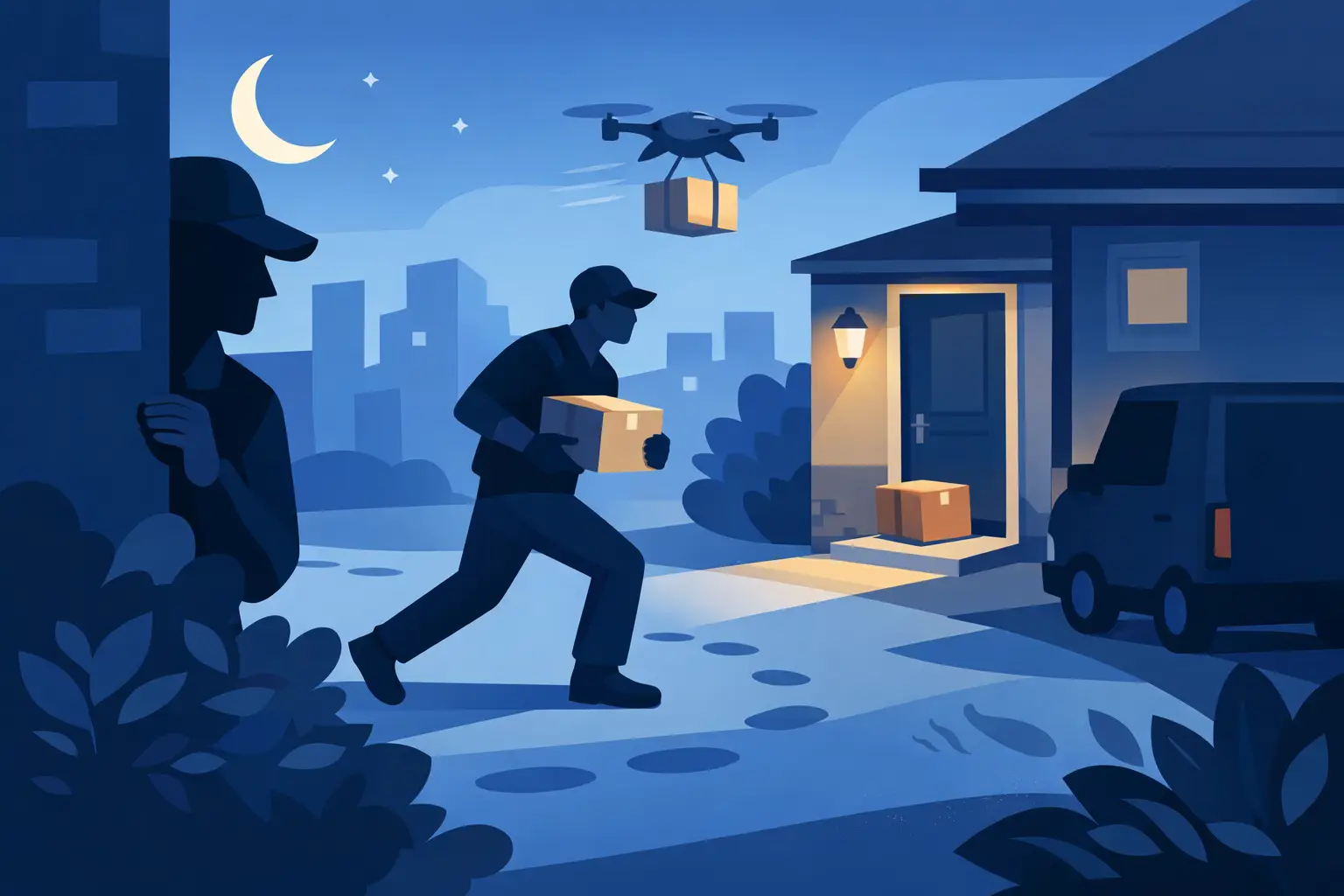
Stealth delivery is a shipping method built around discretion. The point is simple – make a package look ordinary, low-profile, and unremarkable while protecting the contents from casual attention. That usually means plain outer packaging, minimal branding, neutral sender details, and packing choices that do not advertise what is inside.

A lot of people hear the phrase and assume it means invisible, risk-free, or impossible to detect. That is not what it means. Stealth delivery is about reducing attention, not creating magic. It is designed to help a package move through normal shipping channels without standing out to people who do not need to know your business.

For online buyers, that difference matters. A plain box on a doorstep draws less curiosity than loud branded packaging. A generic return name creates less friction than a sender label that tells the whole story. Stealth delivery is really about controlling exposure.

Why buyers care about stealth delivery

For most customers, discretion is not a bonus. It is part of the purchase decision. People want convenience, but they also want to avoid awkward questions, unnecessary attention, and obvious packaging that turns a private order into public information.

That concern shows up in everyday situations. Maybe you live with family and do not want them opening the mail and recognizing the sender. Maybe you are in an apartment building where packages sit in a common area. Maybe you work long hours and your delivery gets handled by a front desk, mailroom, or neighbor. In all of those cases, packaging matters.

There is also the digital side of privacy. Buyers who care about stealth delivery usually care about the full chain – checkout, billing, sender information, and the way an order appears when it arrives. That is why stealth shipping often gets talked about alongside private checkout, limited personal data, and low-profile fulfillment.

How stealth delivery usually works

The process is less dramatic than the name makes it sound. In most cases, stealth delivery starts with neutral packing materials. No flashy logos, no product names on the outside, and no obvious clues on the label. The goal is to make the shipment blend in with the thousands of other parcels moving every day.

Inside the package, sellers may add another layer of wrapping to keep the contents secure and private. That can help with presentation, but the main reason is simple – if the outer mailer gets handled roughly or opened by the wrong person in your household, there is still another barrier between the product and whoever is looking.

Sender details also matter. Stealth delivery often uses a generic business name or a neutral return address rather than something that clearly signals what was ordered. That does not always mean fake information. More often, it means non-descriptive information.

In some markets, buyers also expect odor control, tamper-resistant seals, or extra protective wrapping. That depends on the product category and the shipping setup. Not every order needs the same level of concealment, and not every seller puts the same effort into it.

What stealth delivery does well

The biggest benefit is obvious – it lowers the chance of casual discovery. If somebody sees the package on your porch, counter, or mailbox stack, a plain parcel gives them less to work with. Most people are nosy only when something grabs their attention. Stealth delivery tries not to grab attention.

It can also make the whole order feel more professional. Discreet packing tells customers the seller understands the reality of privacy concerns. That matters because shipping is where trust gets tested. A clean checkout means nothing if the order shows up looking loud, careless, or amateur.

For repeat buyers, stealth delivery also creates consistency. They know what to expect. They know the package is meant to arrive quietly. That predictability is a big part of why discreet fulfillment turns into customer loyalty.

What stealth delivery does not do

This is where people need a straight answer. Stealth delivery does not guarantee absolute privacy, and it does not remove every shipping risk. It reduces visibility. That is different from eliminating exposure.

A neutral package can stop a roommate from guessing what you ordered just by looking at the box. It cannot control what happens if somebody opens your mail. It can make sender details less obvious. It cannot guarantee that every stage of the shipping chain is completely private.

It also does not always mean faster shipping. Some buyers confuse discreet delivery with priority handling, but those are separate things. A package can be stealthy and still move on a normal delivery timeline. In some cases, extra packing steps may even add a little handling time before dispatch.

And quality varies. One seller’s idea of stealth delivery might be a simple plain mailer. Another might use layered packing, generic labeling, and stronger protection against smell or damage. If you care about discretion, the details matter.

What to look for when a seller offers stealth delivery

Not every stealth shipping claim means the same thing. Some stores use the phrase because it sounds good, not because they built their fulfillment around privacy. Buyers should pay attention to what is actually being promised.

The first thing to look for is plain packaging. That is the baseline. If a seller cannot explain whether the outside of the package is neutral, the term may just be marketing copy. The second is sender discretion. A generic sender name is usually a good sign because it shows the seller understands the basics.

After that, it depends on the product and your comfort level. Some buyers care most about odor control. Others care about avoiding product-specific labels or invoices that spell everything out. Some want signature options, while others prefer a standard drop-off that keeps the exchange quick and low-key.

If a seller talks clearly about discreet shipping instead of hiding behind vague language, that is usually a better sign. Confidence helps. Overpromising does not.

Why stealth delivery matters more for some orders than others

A T-shirt in branded packaging is annoying at worst. A private purchase in loud packaging is a different story. The more sensitive the order feels to the customer, the more stealth delivery matters.

That sensitivity is not the same for everybody. Some buyers only care about avoiding social awkwardness. Others care about household privacy, neighborhood visibility, or keeping their shopping habits off the radar. The point is not whether somebody else thinks the concern is valid. The point is that the buyer wants control.

That is why discreet fulfillment has become a serious selling point, not just a shipping extra. In categories where privacy is part of the value, stealth delivery is part of the product experience. If the order arrives clean, plain, and low-key, the seller did the job right.

What is stealth delivery in real-world terms?

In real-world terms, stealth delivery means your package arrives looking like just another package. No loud branding. No obvious product callouts. No unnecessary clues. It is built to keep a private order private from casual eyes, not to create some fantasy of zero risk.

That honest view is the one that matters. Buyers do not need hype. They need a seller who understands discretion is part of trust. A store can talk all day about quality, selection, or fast dispatch, but if the package arrives looking reckless, none of that lands.

That is why stealth delivery keeps coming up. It answers a simple buyer question: will this show up quietly, or will it create attention I never asked for? When done right, the package blends in, the handoff stays low-key, and the order feels like it should have from the start – private, controlled, and handled with some common sense.

If you care about keeping your business your business, stealth delivery is not hype. It is one of the few parts of shipping that actually changes the experience in a real, visible way.

Add to cart