
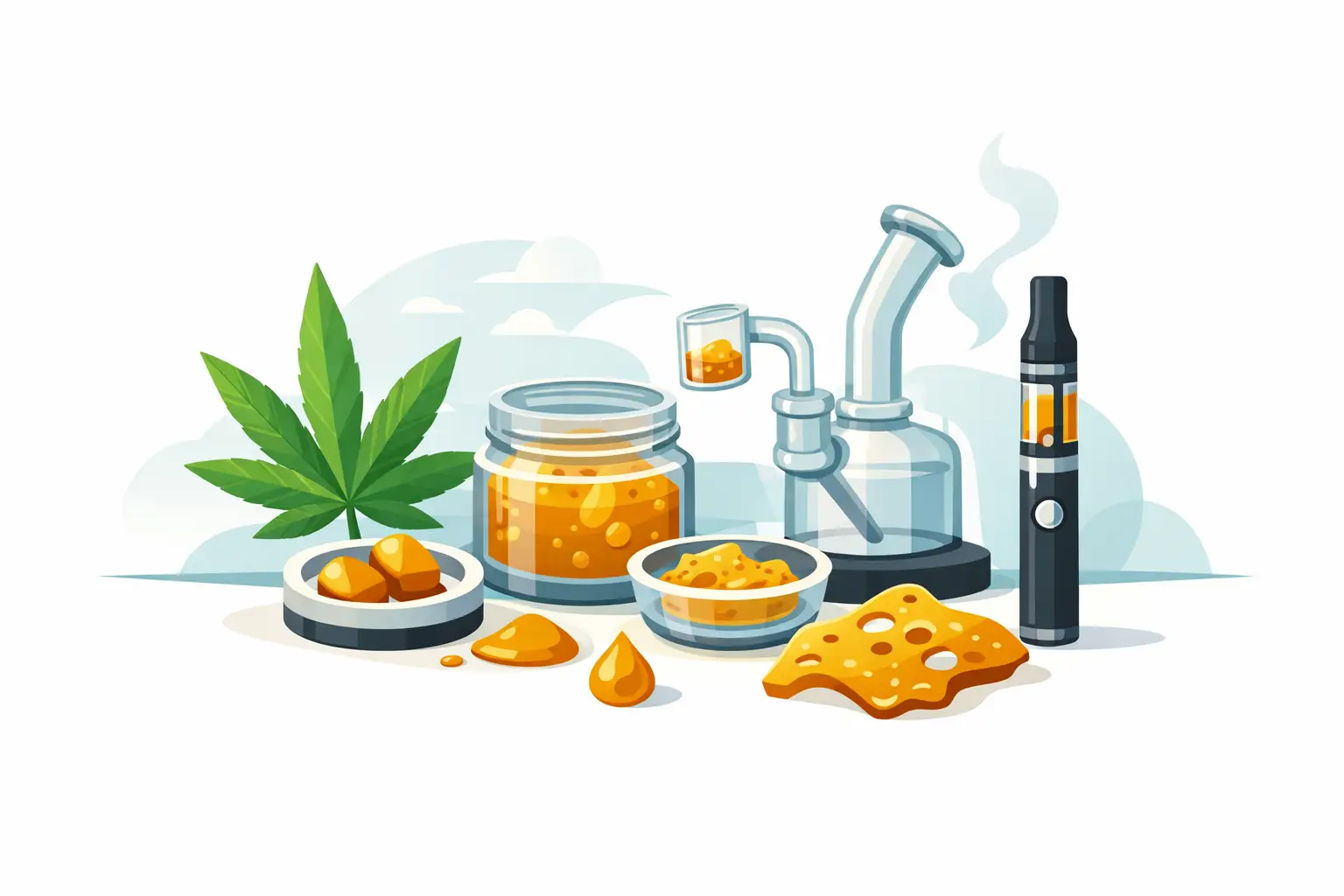
If you’ve ever looked at a menu and seen wax, shatter, live resin, rosin, sauce, or diamonds and thought, what are cannabis concentrates, you’re not the only one. The short answer is simple: concentrates are cannabis products made by pulling the most active compounds out of the plant – mainly cannabinoids like THC and CBD, plus terpenes that shape flavor and aroma – and leaving behind most of the excess plant material.
That sounds technical, but the real-world difference is easy to understand. Flower is the full plant bud. Concentrates are the dense, high-potency version. Less bulk, more punch. For buyers who want stronger effects, cleaner flavor, or a faster route to the result they’re after, concentrates sit in a different lane than standard bud.
What are cannabis concentrates, really?
Think of the cannabis plant as a raw source material. The compounds most people care about are packed into tiny resin glands called trichomes. Concentrates are made by collecting and refining that resin. Depending on the method, the final product can come out sticky, glassy, buttery, saucy, crumbly, or almost crystal-like.
The reason concentrates matter is potency. Regular flower often lands somewhere around the low-to-mid double digits in THC percentage, depending on quality and strain. Concentrates can go much higher. That means a smaller amount can deliver a much stronger experience. For some people, that’s the whole point. For others, it’s exactly why they need to approach concentrates with more respect.
Concentrates also change the flavor game. When extraction preserves more terpenes, the product can taste brighter, louder, and closer to the plant’s original profile. That’s why experienced buyers often care just as much about resin quality and terpene content as they do about raw THC numbers.
How cannabis concentrates are made
There are two broad lanes: solvent-based and solventless.
Solvent-based concentrates use substances like butane, propane, or CO2 to strip cannabinoids and terpenes from the plant material. Done right, this can produce very pure, potent extracts with strong flavor and a polished texture. Products like shatter, wax, badder, sauce, and many live resin extracts usually fall into this category. The upside is efficiency and high potency. The trade-off is that quality depends heavily on proper extraction and purging.
Solventless concentrates skip chemical solvents and rely on heat, pressure, water, ice, or mechanical separation. Hash, bubble hash, and rosin are the main examples. Rosin, for instance, is made by pressing cannabis flower, hash, or kief under heat and pressure until the resin squeezes out. A lot of buyers like solventless options because the process feels cleaner and more straightforward. The trade-off is that yields can be lower, and premium solventless products often cost more.
This is where quality starts separating itself fast. Two products can both be labeled concentrate and still be miles apart in taste, smoothness, and overall effect. Starting material matters. Extraction method matters. Post-processing matters. Storage matters. Cheap input usually shows up in the final product.
The main types of cannabis concentrates
The category is crowded, but most products fit into a few familiar groups.
Wax, badder, and budder
These are soft, workable concentrates with a whipped or creamy texture. They’re popular because they’re easy to handle compared with brittle forms like shatter. Depending on the terpene content and processing, they can range from dry and crumbly to wet and rich. Buyers who want a strong concentrate without dealing with glass-like snap often gravitate here.
Shatter
Shatter is known for its hard, translucent, sheet-like texture. It breaks apart rather than scoops. When it’s well made, it looks clean and stable. It can be potent and effective, but texture alone doesn’t guarantee quality. Good shatter should still have a solid cannabinoid and terpene profile, not just look flashy.
Live resin
Live resin is made from fresh-frozen cannabis rather than dried and cured flower. That usually helps preserve more of the plant’s original terpene profile, which is why live resin tends to get attention from people chasing flavor and strain character. It often comes with a saucy, glossy texture and a louder aroma than more stripped-down extracts.
Rosin
Rosin is the solventless favorite for a lot of buyers. No chemical solvent extraction, just pressure and heat. Flower rosin exists, but hash rosin is usually the premium tier. People choose rosin for flavor, purity perception, and a more craft-style appeal. It’s not always the cheapest option, and not every batch is elite, but top-tier rosin has a loyal following for a reason.
Hash and bubble hash
Hash is one of the oldest concentrate styles. Traditional hash compresses separated resin glands into a dense form. Bubble hash uses ice water and filtration to isolate trichomes, often resulting in a cleaner and more refined product. Some bubble hash is smoked on its own, while higher-end grades may be used to make rosin.
Distillate
Distillate is highly refined and usually heavy on a single cannabinoid, often THC. It’s common in vape carts, edibles, and infused products. The main draw is potency and versatility. The downside is that distillate can feel one-dimensional if terpenes are stripped out and not reintroduced. If someone wants pure strength, distillate gets the job done. If they want a fuller plant profile, they may prefer resin or rosin.
Why concentrates hit harder than flower
The answer is concentration. Instead of smoking plant material that contains cannabinoids among everything else in the bud, you’re using a product where those compounds have been condensed. That means stronger effects in smaller amounts.
But strength isn’t the whole story. The onset can feel faster, especially with dabbing or vaping. The flavor can be more pronounced. The experience can also be less forgiving if you overdo it. Someone comfortable with flower can still get blindsided by a concentrate if they treat it the same way. A little can go a long way.
This is why format matters. A low-temp dab of terpene-rich live resin may feel very different from a hard pull off a distillate cart, even if both are technically concentrates. Potency, terpene profile, and delivery method all shape the effect.
What to look for before you buy
Not all concentrates are worth your money. Texture and branding catch attention, but they shouldn’t be the whole decision.
Start with the type of experience you want. If flavor matters most, live resin and rosin are usually where the conversation starts. If you want raw THC efficiency for carts or infused products, distillate may make more sense. If you want an old-school resin-heavy feel, hash still has a place.
Then look at consistency and freshness. A concentrate shouldn’t seem dried out, contaminated, or strangely unstable for its category. Aroma matters too. Terpenes should smell clear and intentional, not flat, burnt, or chemical-heavy.
It also pays to understand that expensive doesn’t always mean better. Some buyers overpay for hype names and flashy labels. Others buy the cheapest gram they can find and wonder why the taste is rough and the effect feels dirty. The smart move is knowing the product style, the extraction lane, and the quality of the source material.
For buyers shopping online, trust and discretion matter just as much as product type. If you’re sourcing from a marketplace like Zazaland.shop, the appeal is simple: broad selection, fast browsing, private checkout, and a cleaner route to finding the exact format you want without bouncing between sellers.
Are cannabis concentrates right for everyone?
Not really. That’s the honest answer.
For experienced users with higher tolerance, concentrates can be efficient, flavorful, and cost-effective in a different way than flower. You use less product to get where you want to go. For casual users or people with low tolerance, concentrates can feel like too much, too fast. The upside becomes the downside if the dose gets away from you.
Your setup matters too. Some concentrates are easiest with a dab rig or e-rig. Others fit neatly into vape formats. Some are messy if you don’t know what you’re handling. If convenience is the main goal, carts and easy-load extracts may make more sense than sticky jars of sauce.
There’s also the question of preference. Some people love the ritual and flavor of flower and don’t care about max potency. Others want concentrated effects, less smoke, and a more refined terpene profile. Neither side is wrong. It depends on what kind of session you’re after.
What are cannabis concentrates worth knowing for first-time buyers?
If you’re new, the biggest thing to understand is that concentrates are not just stronger weed. They’re a separate category with different textures, extraction methods, flavor profiles, and intensity levels. Treating them like flower is where a lot of people misjudge the experience.
If you want a balanced entry point, terpene-rich options with clear labeling tend to make more sense than chasing the highest THC number on the page. Potency sells, but quality shows up in flavor, smoothness, and consistency. A concentrate that hits clean and tastes right usually tells you more than a giant percentage ever will.
The best way to think about concentrates is simple: they’re the cannabis plant with the volume turned up. That can be a win if you know what you’re buying and why you want it. If you slow down long enough to match the product to the experience you actually want, you’ll make better picks and waste a lot less money.