
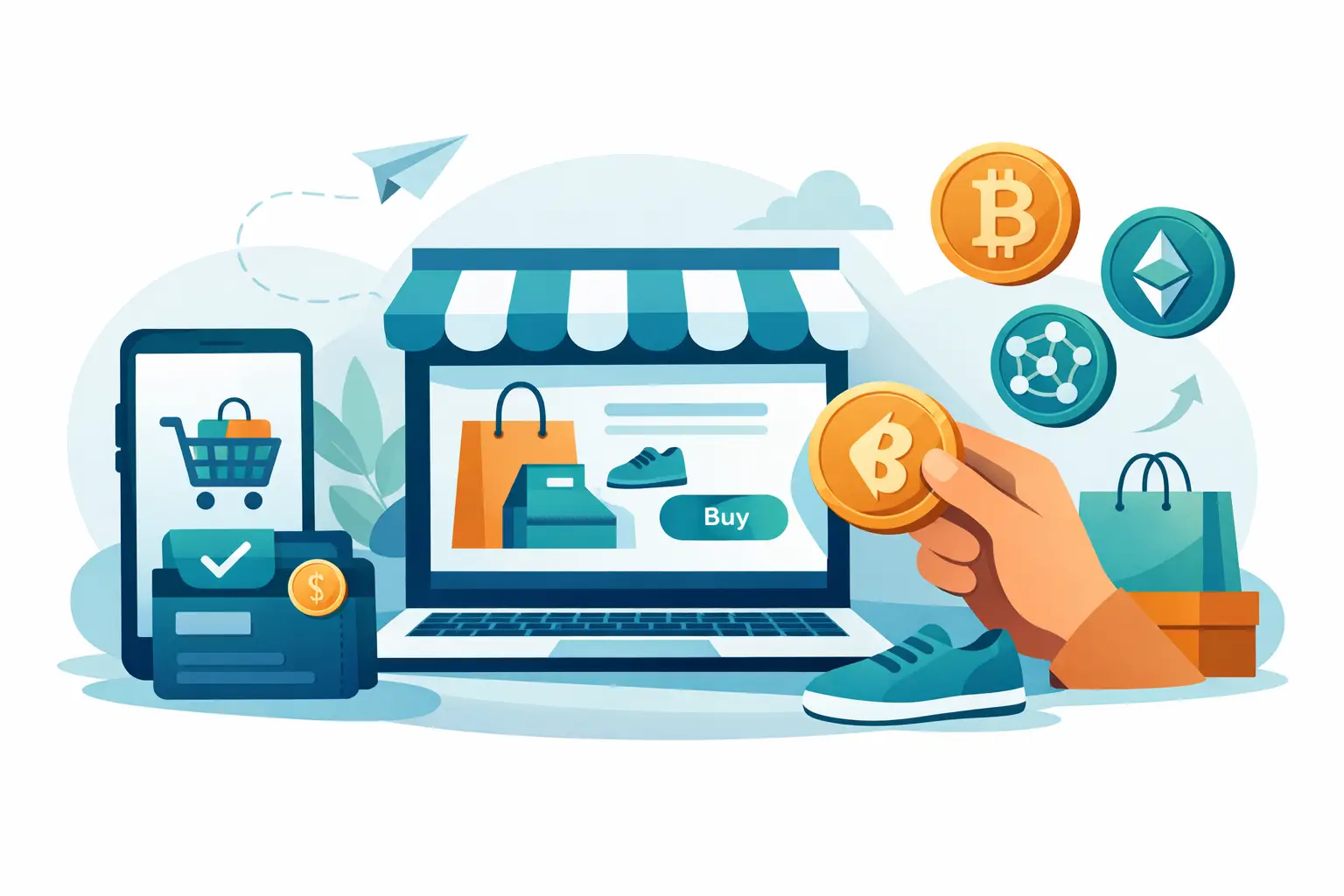
Card processors freeze funds. Banks flag orders. Chargebacks eat margin. If you run ecommerce in a space that gets extra scrutiny, crypto payments for online stores stop being a trendy add-on and start looking like basic infrastructure. The real question is not whether customers know what crypto is. It is whether your checkout makes paying simple enough that they actually finish the order.
For a lot of stores, the old payment stack creates more friction than trust. A customer gets to checkout, sees limited options, worries about declines, and bounces. With crypto, that pressure changes. You give buyers a direct payment route, cut out some of the usual middlemen, and create a checkout flow that fits privacy-first customers better. That does not mean crypto fixes every problem. It does mean stores that understand how to use it well can convert buyers who would never complete a card-first purchase.
Why crypto payments for online stores keep gaining ground
The biggest reason is simple – certain customers prefer paying in crypto because it feels more private, more direct, and less exposed than putting card details into yet another store. That preference is not limited to one niche. It shows up anywhere buyers care about discretion, international access, or avoiding card declines.
From the merchant side, the appeal is just as practical. Traditional processors can hold reserves, reverse payments, or close accounts with little warning if they do not like your category, fulfillment pattern, or risk profile. Crypto changes that model. Once payment is confirmed on-chain, the transaction is generally final. That can reduce chargeback exposure and make revenue more predictable.
Still, there is a trade-off. Finality protects the seller, but it also means customer service has to be tighter. If a buyer sends the wrong amount or uses the wrong network, you need a clear process for handling it. Stores that win with crypto do not treat it like magic. They treat it like an operational system.
What customers actually want at crypto checkout
Most shoppers do not care about blockchain theory. They care about whether payment takes two minutes or ten. They care about whether the wallet address is correct, whether the instructions are clear, and whether the order updates fast enough that they know their money did not disappear into a void.
That is why the best crypto payments for online stores feel familiar. The customer picks a coin, sees the exact amount due, gets a countdown if pricing is time-sensitive, and receives confirmation once payment lands. Simple beats clever every time.
Choice matters too, but only to a point. Offering one or two widely used coins is often better than flooding checkout with every token on the market. Too many options can look messy and create support issues. If your audience strongly prefers certain assets, meet them there first. Build around buyer behavior, not around what sounds impressive.
The business case is bigger than payment privacy
Privacy gets the attention, but it is not the whole story. Crypto can also improve cash flow and lower payment friction in categories where card acceptance is inconsistent. If your business deals with frequent payment failures, crypto may recover revenue that would otherwise be lost before the order is even placed.
There is also a branding angle. Accepting crypto can signal that your store understands how your buyers already move online. That matters when your audience values speed, discretion, and direct transactions. A checkout that matches those expectations feels more credible than one that forces customers through clunky workarounds.
That said, crypto alone does not build trust. Bad product pages, vague shipping policies, and slow support will still kill conversion. Payment is one part of the buying experience. It works best when the rest of the store looks organized, confident, and clear about what happens after the order is placed.
How to set up crypto payments for online stores without killing conversion
Start with the checkout flow, not the technology stack. A lot of merchants obsess over wallet integrations and forget that confusion is what loses the sale. Before you choose a processor or payment method, decide what the customer sees from cart to confirmation.
The cleanest approach is to keep the steps short. Show the accepted coin, the exact payment amount, the network, and the wallet address in one place. Add a QR code for mobile users. Make the post-payment status obvious. If confirmation takes time, say that upfront instead of leaving the customer guessing.
Pricing also needs attention. If you quote in dollars and accept crypto, exchange rate movement has to be managed somehow. Many stores use a short payment window so the amount stays fixed for a limited time. That protects both sides from volatility during checkout. If you leave rates open-ended, disputes become more likely.
You should also think hard about operations after payment. Order matching, payment verification, and refund handling need rules. If a customer underpays by a few dollars because price moved, will you contact them, credit partial value, or cancel the order? If they send funds on the wrong chain, what happens next? The stores that look trustworthy answer these questions before they need to.
Where stores get it wrong
One common mistake is making crypto sound easier than it is. Buyers appreciate directness. They do not appreciate vague promises. If confirmation can take several minutes, say so. If only certain coins are accepted, say so. If refunds are store credit only, say so before payment.
Another mistake is treating crypto buyers like they are all experts. Plenty of them are comfortable enough to pay, but not technical enough to troubleshoot network mismatches or fee issues on their own. Your instructions should be written for a customer who wants the order done fast, not for someone who spends all day in wallet apps.
There is also a temptation to overcomplicate privacy messaging. Customers who prefer crypto usually already understand the basic appeal. You do not need to turn checkout into a manifesto. Focus on practical trust signals instead – fast confirmation, accurate totals, clear support, and order updates that arrive when promised.
Choosing between self-managed and processor-based crypto payments
Some stores want full control and prefer a self-managed wallet setup. Others want automation, easier reconciliation, and less manual work, so they use a payment processor. Neither option is automatically better. It depends on your risk tolerance, technical comfort, and order volume.
A self-managed setup offers more control, but it puts more responsibility on your team. You handle payment monitoring, accounting, and customer exceptions directly. That can work for smaller operations or stores with a very specific workflow.
A processor-based setup can simplify checkout and back-office tasks. It may help with invoice creation, payment tracking, and conversion into fiat if needed. The trade-off is less direct control and possible dependency on a service provider. For many merchants, the right answer is the one that keeps checkout smooth while reducing manual errors.
How crypto fits stores built around discretion and repeat buyers
For privacy-focused ecommerce, crypto often does more than process payments. It shapes the whole buying experience. A buyer who wants discretion is usually looking for less friction, less exposure, and fewer awkward steps. Crypto supports that when the store uses it well.
Repeat customers especially tend to value consistency. If they know the checkout process is fast, the payment instructions are accurate, and orders move quickly after confirmation, crypto becomes part of why they come back. The payment method stops feeling experimental and starts feeling standard.
That is where stores like Zazaland.shop can gain an edge. When the catalog is broad and the audience is already crypto-comfortable, a clean private checkout is not just a feature. It is part of the sales engine. But that only works if the rest of the experience backs it up with speed, clarity, and follow-through.
The real standard is not adoption – it is execution
Plenty of merchants now accept crypto. Fewer make it easy. That gap matters more than raw adoption numbers. Customers will use crypto payments for online stores when the process feels fast, clear, and dependable. They will abandon it when checkout feels risky, confusing, or slow.
If you are thinking about adding crypto, think less about hype and more about buyer behavior. What makes your customers hesitate? Where do payments fail now? What information do they need to finish the order without opening a support ticket? Those answers shape a better checkout than any buzzword ever will.
The stores that keep sales moving are the ones that remove doubt at the exact moment a buyer is ready to pay. If crypto helps you do that, it is worth treating as a serious part of your storefront, not a side option buried at the bottom of the page.