
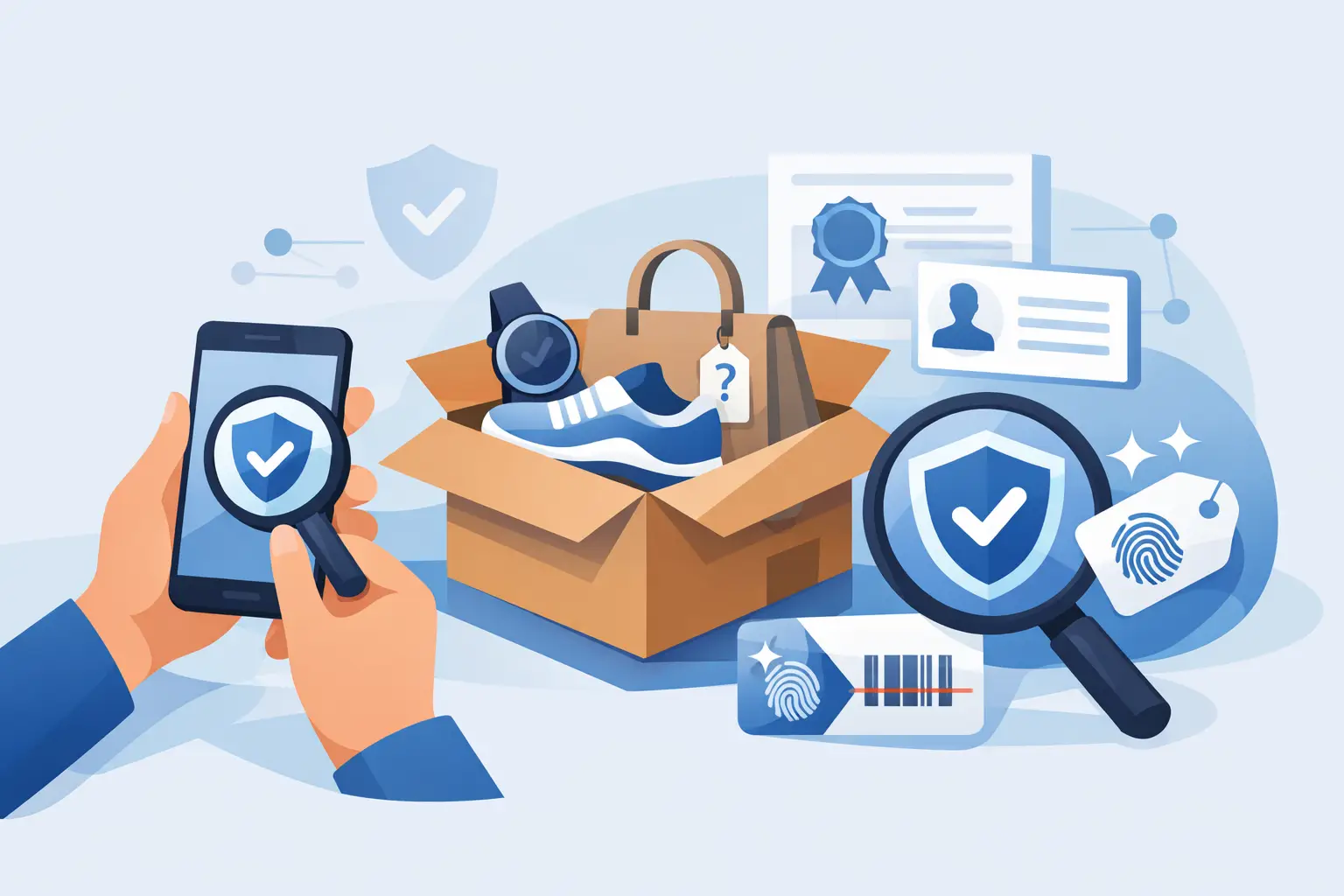
Fake product tells usually show up before you even open the package. If you want to know how to verify product authenticity, you need to stop buying off hype alone and start checking the details that scammers usually get wrong. Real buyers know the difference starts with packaging, proof, consistency, and whether the whole deal makes sense.
Counterfeits are built to pass a quick glance. That is why lazy checks do not help. A clean product photo, a low price, and a seller saying premium only is not proof of anything. If you want to avoid wasting money or getting stuck with something sketchy, you need a tighter process every time you shop.
How to verify product authenticity before you buy
The smartest move is to verify before payment, not after delivery. Once money is gone, especially with private or irreversible payment methods, your leverage drops fast. That means the product page, seller behavior, and listing details matter just as much as the item itself.
Start with the basics. Look at the product name, brand spelling, dosage details, size, count, and packaging photos. Counterfeit listings often slip on small things – weird fonts, inconsistent milligram labels, old logos, missing safety text, or generic stock images instead of real photos. If every item photo looks overly polished but tells you nothing specific, that is a reason to slow down.
Price is another signal, but not in the simple way people think. Cheap does not always mean fake, and expensive does not always mean real. What matters is whether the price makes sense relative to market patterns. If a product is usually hard to source and one seller has endless stock at a deep discount, that is not a flex by default. It may just be a bait listing.
Seller consistency matters too. A real operation usually has a pattern – clear categories, matching product descriptions, similar photo quality, and details that line up across listings. A sloppy seller often mixes vague descriptions, mismatched images, recycled copy, and impossible claims. If one page sounds informed and the next sounds copy-pasted nonsense, pay attention.
Check packaging like someone who has seen fakes before
Packaging is where a lot of counterfeits lose the game. You are not just checking whether it looks sealed. You are checking whether it looks right.
Look for print quality first. Authentic packaging usually has clean text, consistent spacing, sharp logos, and colors that look intentional. Fake packaging often has blurry ink, off-center labels, spelling errors, strange capitalization, or a slightly wrong shade that would not matter to a casual buyer but stands out once you know the brand.
Then check the material itself. Boxes that feel too flimsy, stickers that peel too easily, foil that looks cheap, or seals that seem uneven can all be clues. None of these alone prove a fake, because manufacturers sometimes change packaging, but a cluster of small issues is a bad sign.
Batch numbers, lot codes, and expiration dates deserve extra attention. On an authentic product, these markings usually match the packaging format and appear cleanly printed or embossed. If the batch code looks added later, smudged, crooked, or inconsistent with the rest of the print style, be careful. If the same seller photos show identical batch numbers across multiple units that should come from different runs, that is another red flag.
Serialization and QR codes
A lot of buyers assume a QR code settles everything. It does not. Fake products can copy real QR codes, clone serial numbers, or send you to a page that looks official but is not. A code is only useful if the verification system is controlled by the actual manufacturer and the result gives specific product information rather than a vague green check.
If a serial number can be entered manually, do that too. Check whether the returned details match the exact item in front of you – size, strength, color, count, and release format. If the site says valid but the product details do not line up, the code may have been copied from another unit.
Product details should match all the way through
Authenticity is about consistency. The listing, the package, the insert, and the product itself should all tell the same story.
Check the physical characteristics closely. Shape, color, imprint, texture, fill level, smell, and finish can all reveal problems. A pressed tablet with rough edges when it should be cleanly manufactured, a vape cartridge with odd oil color or leaking hardware, or edible packaging that looks right but contains inconsistent pieces can all point to issues.
This is where buyers sometimes get tripped up. Manufacturers do update branding, switch packaging vendors, or change minor design details. So one difference does not always mean fake. The real question is whether the changes look like a legitimate production update or a low-budget imitation. Clean transition versus random mismatch.
Compare multiple sources, not just one image
Do not rely on a single photo from a seller. Compare what you have against several credible references. Look at older packaging examples, newer runs, and known details that stay consistent. If your item only matches one suspicious image and conflicts with everything else, trust that pattern.
This applies to inserts and labels too. Authentic labeling usually follows a consistent structure. Fake versions often get close on the logo and fail on spacing, ingredient order, warning text, or manufacturing line placement.
Seller signals can tell you a lot
If you are serious about how to verify product authenticity, you need to assess the seller as hard as the product. A counterfeit item rarely appears in isolation. It usually comes with weak seller signals.
Look at whether the seller answers specific questions directly. If you ask about batch info, source, packaging variation, or production date, a real seller should be able to respond with something concrete. Evasive replies, aggressive pressure, or generic phrases like top quality guaranteed are not enough.
Reviews help, but only if they sound real. Short, repetitive praise with no product-specific detail is easy to fake. What you want is consistency over time and comments that mention actual traits – packaging condition, labeling accuracy, flavor, texture, effects, or how the item compared with prior authentic purchases. Even then, reviews are only one piece of the puzzle.
Volume can be misleading too. A seller with a huge catalog is not automatically more legitimate. Sometimes the opposite is true. If someone claims premium access to every category, every dosage, every flavor, and every hard-to-find item without stock gaps, that deserves a harder look. Real supply chains usually have friction.
The biggest red flags buyers ignore
Most bad purchases happen because the warning signs were obvious and got ignored. Urgency is a classic one. If the seller keeps pushing you to pay immediately, skip questions, or trust them because stock is moving fast, that pressure is part of the play.
Another problem is too much certainty. Honest sellers usually understand that buyers have questions. Scammers lean on absolute language – always real, never an issue, guaranteed identical every time. Reality is messier than that, especially with products that can have regional packaging differences, updated labeling, or shifting availability.
Watch for mismatched order flow too. A polished storefront with weak order communication, changing payment instructions, or inconsistent names across messages can be a sign that the surface is cleaner than the operation behind it. Even a brand like Zazaland.shop knows buyers care about trust signals, but trust only works when the details stay consistent from listing to checkout to delivery.
What to do when you are still not sure
Sometimes the signs are mixed. The packaging looks close, the seller seems decent, but a few details still feel off. In that case, the smartest move is not to talk yourself into the purchase. It is to slow down.
Ask for current, item-specific photos. Ask for close-ups of the batch code, seal, label, and any product imprint. Compare those against what you already know. If the seller refuses basic verification or acts offended that you asked, that tells you plenty.
If you already have the item in hand and doubts remain, do not assume it is fine because the outer box looked convincing. The whole point of a counterfeit is to feel close enough. When the risk is your money, your health, or both, guessing is not a strategy.
The best buyers are not paranoid. They are consistent. They do the same checks every time, trust patterns instead of promises, and know that authenticity is rarely proven by one flashy detail. It is proven when everything lines up and nothing feels forced. That extra five minutes of checking can save you from a bad order you cannot undo.